
Real Estate SEO Agency in India That Turns Searches Into Site Visits
A buyer searching for 2 BHK flats in Whitefield or luxury villas in Gurgaon is not browsing. They are weeks away from the biggest purchase of their life, and they will shortlist from the developers and brokers Google shows first. As a real estate SEO agency in India, we put your projects and listings in those positions, with content that moves buyers from search to site visit to booking.
Real estate SEO in India is a different sport from generic SEO. Portals like 99acres and MagicBricks dominate the results, RERA compliance shapes what your pages can say, buyers search by micro-locality and project name, and a single converted lead can be worth crores. We built our process for this reality: project page architecture, locality authority, portal coexistence strategy, and reporting measured in qualified site visits, not traffic.
Real estate SEO in India has a unique challenge: RERA compliance. Every project page needs RERA numbers, carpet area disclosures, and possession timelines. We build RERA-compliant page structures that rank and convert, while capturing the locality searches buyers actually use. From 2 BHK in Whitefield to ready to move flats in Noida, your projects appear where buyers decide.
Get a Free Growth Audit
Tell us where to send it. We reply within one business day.
No spam, no pushy sales calls.
Our Clients
Real brands we have worked with across industries.






THE PROBLEMPortals Own Page One While You Pay for Every Lead
Search for any property query in India and the story is the same: 99acres, MagicBricks, Housing.com, and CommonFloor occupy the top organic positions, followed by a handful of developers who invested in SEO early. Everyone else pays, per lead, per listing, per month, to appear on someone else’s platform. For a developer selling inventory worth hundreds of crores, that portal dependency is a permanent tax on every unit sold, and it gets more expensive as more builders bid for the same buyer attention.
The deeper problem is that portal leads are shared leads. A buyer who enquires on a portal gets called by five brokers within the hour. Your sales team competes on speed and discounting instead of project merit. Organic search flips this dynamic entirely. A buyer who finds your project page directly, reads your floor plans, checks your RERA details, and books a site visit through your form arrives as your lead exclusively. Those leads close faster and negotiate less, because they chose your project before any competitor entered the conversation.
Then there is the content reality most developers ignore. Buyers search in layers: city, then micro-locality, then project name, then comparisons and price trends. A developer with one homepage and three project pages captures almost none of this journey. The developers winning organic search built locality guides, project comparison content, price trend pages, and NRI buyer resources, hundreds of pages that answer every question a buyer asks before booking. That content moat takes quarters to build, which is exactly why starting now matters.
As a real estate SEO agency in India, we engineer your site to coexist with portals rather than surrender to them. Project pages optimized for project-name searches where portals cannot compete, locality pages that capture micro-market queries, RERA-compliant structures that Google rewards for transparency, and conversion paths that turn researchers into site-visit bookings. Every page has a job: rank, inform, and convert, measured in qualified enquiries per month.
Finally, there is the launch timing problem that costs developers crores. New projects get announced, inventory pressure builds, and marketing scrambles with paid ads because organic was never built. A project that launches with existing locality authority and a ranking-ready page architecture sells faster from day one. A project launching from zero digital presence burns paid budget for months while organic slowly builds. The developers who treat SEO as launch infrastructure, not post-launch rescue, consistently sell faster with lower marketing cost per unit.
Portal Dependency Tax
Every lead from 99acres or MagicBricks costs you, and it is shared with competitors. We build owned rankings on your domain so buyer enquiries come directly to your sales team, exclusively and at zero marginal cost.
Invisible at the Locality Level

Buyers search by micro-locality, not just city. We build locality authority with area guides, price trend content, and project pages that capture the hyper-local queries where buying decisions actually happen.
Project Pages That Do Not Rank

Thin project pages with a gallery and a brochure download rank for nothing. We build RERA-ready project pages with the depth, structure, and schema that outrank portal listings for project-name searches.
WHAT WE DOSEO Engineered for Property Buyers
We are a growth team that runs SEO for developers, builders, brokers, and real estate brands across India. Our program covers the full buyer journey: technical foundation, project page architecture, locality content systems, NRI buyer resources, review and reputation management, and digital PR that earns links from property publications. Everything is built around one funnel: search to site visit to booking.
Commercial prioritization drives our roadmap. Pre-launch and active projects get ranking priority by inventory value, so the projects with the most unsold units get SEO firepower first. Locality pages target the micro-markets where your buyers actually search. And NRI-focused content captures the overseas buyer segment that most Indian developers serve poorly despite its high ticket sizes. Every cluster has a revenue hypothesis, not just a keyword list.
The compounding math favors developers who start early. A project page ranking number one for its project name captures every buyer researching that project, for the life of the project, at zero cost per lead. Locality guides keep producing enquiries across project cycles. Our clients see site-visit bookings grow from organic search quarter over quarter, while their portal spend per closed deal drops. That is SEO as a balance-sheet asset, not a marketing expense.
Our edge in real estate SEO is that we think like developers, not marketers. We understand inventory pressure, pre-launch timelines, RERA constraints, and the difference between a site visit and a booking. When we recommend a content investment, we frame it in units sold and marketing cost per booking, not traffic projections. This is why developer clients give us access to sales data that agencies never see: we use it to make SEO accountable to their P&L, and that accountability earns trust that outlasts any single campaign.
The Full Breakdown
Everything inside a SCORSH engagement. Click any item for the detail.
01Project Page SEO That Outranks Portals+
For project-name searches, your own project page should outrank every portal listing, every broker page, every aggregator. We build project pages with the depth portals cannot match: full specifications, floor plans with descriptive content, RERA registration details, construction updates, location advantages, price trends, FAQs, and schema markup for real estate listings. This is your highest-converting SEO asset, and most developers underbuild it badly.
A well-built project page does double duty: it ranks for the project name and captures the comparison and review queries buyers search before deciding. When a buyer Googles your project name plus reviews or price, they should land on your page, not a portal's. We engineer for that outcome deliberately.
02Locality and Micro-Market Authority+
Buyers search Whitefield, not just Bangalore; Golf Course Extension, not just Gurgaon. We build locality content systems: area guides covering connectivity, schools, hospitals, and price trends; project roundups per micro-market; and infrastructure update content that captures buyers researching where to buy. Each locality page becomes a ranking asset that feeds enquiries to every project you sell in that area.
Locality authority compounds across your portfolio. A developer with strong locality pages in five micro-markets launches each new project with a head start, because the area authority already exists. This is the moat that late movers cannot buy quickly, and the reason early SEO investment in real estate pays for decades.
03RERA-Compliant Content Structures+
Since RERA, every project page must carry registration numbers, and promotional claims face regulatory scrutiny. We build RERA compliance into page templates from the start: registration details prominently placed, carpet area terminology correct, possession timelines stated accurately, and no prohibited superlatives. Google increasingly rewards transparent, compliant pages, so this is both a legal shield and a ranking advantage.
Compliance also shapes content strategy. Instead of hype-driven copy, we build trust-driven content: construction progress updates, legal documentation guides, home loan process explainers. This content ranks, converts skeptical buyers, and keeps your legal team comfortable. Boring to write, lucrative to own.
04NRI Buyer Content and SEO+
NRI buyers are a distinct segment with distinct searches: investment returns, rental yields, repatriation rules, tax implications, and remote purchase processes. Most developers serve this segment with a single generic page. We build dedicated NRI content tracks: city investment guides, ROI comparison content, legal process explainers for overseas buyers, and currency-aware pricing content.
NRI tickets are large and NRI buyers research extensively before engaging, which makes them ideal SEO targets. A developer capturing NRI search demand in the Gulf, US, and UK builds a pipeline of high-value buyers that competitors relying on domestic portals never see. The content investment is modest; the per-deal value is enormous.
05Technical SEO for Property Websites+
Real estate websites are technically messy: heavy image galleries, slow project pages, duplicate content across broker-fed listings, and URL structures that change with every redesign. We audit Core Web Vitals, crawl efficiency, indexation control, and mobile experience, then fix in order of buyer impact. A project page that loads in six seconds loses the buyer who searched on a phone during a commute.
Technical work also covers the listing-scale problem: developers and portals with thousands of URLs need crawl budget management, canonical discipline, and structured data at scale. We implement RealEstateListing schema, breadcrumb structures, and internal linking architectures that help Google understand which pages deserve to rank for which queries.
06Review and Reputation Management+
Buyers research developer reputation obsessively: project reviews, delivery track records, construction quality discussions on forums. We build reputation systems: review generation from happy buyers, response protocols for negative reviews, and content that addresses common objections before buyers find them on third-party forums. Your search results should tell your story, not your angriest customer's.
Reputation content also ranks. Possession experience guides, construction update blogs, and buyer testimonial pages capture the research queries buyers run before shortlisting. Developers who publish transparently convert the skeptical buyers that glossy brochure sites lose.
07Digital PR and Property Link Building+
Authority in real estate SEO comes from property publications, business press, and genuine editorial coverage of your projects and market insights. We earn links through data-driven PR: price trend reports from your sales data, locality insights, construction milestone stories, and expert commentary on market movements. No paid links, no directory spam.
These links do more than lift rankings. A citation in a business publication builds buyer trust that no ad can buy. For luxury and premium projects especially, the publications linking to you shape the perception of your brand before the buyer ever visits your site.
08Site Visit and Booking Attribution+
SEO that cannot prove site visits is theater. We instrument the full path: call tracking, site-visit booking forms, WhatsApp enquiry tracking, and CRM integration where your sales team works. Monthly reporting shows which project pages, which localities, and which keywords produced qualified enquiries and booked visits.
This attribution changes how developers think about marketing budgets. When you see that organic search produced forty site visits last month at an effective cost far below portal leads, the SEO retainer becomes the obvious line item to grow. We report the numbers your CFO cares about, not just your marketing manager.
Project-First Keyword Mapping
Keywords mapped to projects by inventory value, so SEO firepower flows to the developments with the most unsold units first.
Locality Content Systems
Area guides, price trends, and micro-market pages that capture buyers at every stage of the location decision.
RERA-Ready Page Architecture
Compliant project templates with registration details, accurate timelines, and trust-building transparency baked in.
Booking-Linked Reporting

Site visits and qualified enquiries tracked from keyword to CRM, reported weekly in plain language your sales head understands.
SCORSH vs a Typical SEO Agency
| SCORSH | Typical Agency | |
|---|---|---|
| Real estate specialization | ✔ Built for portals, RERA, and buyer journeys | ✖ Generic SEO with property keywords added |
| Success metric | ✔ Site visits and qualified buyer enquiries | ✖ Traffic and keyword positions |
| Project pages | ✔ Deep, RERA-ready, portal-beating | ✖ Thin galleries that rank for nothing |
| Locality strategy | ✔ Micro-market content systems | ✖ City-level keywords only |
| NRI segment | ✔ Dedicated overseas buyer content | ✖ Completely ignored |
| Reporting | ✔ Weekly, booking-linked, plain language | ✖ Monthly PDFs full of vanity metrics |
OUR PROCESSFrom Audit to Booked Site Visits in Four Steps
1. Property SEO Audit
Technical crawl, project page depth review, locality coverage gaps, portal dependency costing, and competitor analysis. You get a written report showing where buyers find competitors instead of you.
2. Inventory Priority Roadmap
Projects ranked by unsold inventory value, locality clusters mapped, NRI content plan, and 90-day sprint calendar. Every activity tied to a booking hypothesis.
3. Build and Publish Sprints

Project pages rebuilt, locality guides published, technical fixes shipped, and review systems activated in weekly sprints. RERA compliance checked on every page.
4. Measure, Learn, and Compound

Site visit attribution by page and keyword, monthly booking reports, and roadmap evolution. Locality authority compounds across your portfolio.
HOW WORKING WITH US LOOKSThe Growth Partnership, Step by Step
Most SEO agencies start by asking for your target keywords. We start by asking which projects have unsold inventory, what your cost per portal lead is, and how your sales team currently gets site visits. Those answers shape the program, which runs in four phases.
One more thing about how we work with sales teams. SEO-generated enquiries are only valuable if your sales team handles them well, so we share enquiry quality feedback loops: which pages produce serious buyers versus browsers, what questions buyers ask before visiting, and how landing page messaging can pre-qualify better. We have seen developers double booking rates from the same enquiry volume just by aligning landing page promises with sales team scripts. SEO does not end at the form fill.
Step 1: The audit (weeks 1-2)
We spend two weeks inside your digital reality: technical crawl, project page quality review, locality coverage mapping, portal spend analysis, and competitor ranking study. The audit answers one question: where is the cheapest qualified buyer lever to pull first? Often it is rebuilding project pages before creating any new content.
Step 2: The 90-day pilot
We agree on one number: qualified site-visit enquiries from organic search per month. Then a focused 90-day pilot on priority projects and localities. Kill criteria upfront: if the trajectory is not moving by day 90, we stop honestly. A measured experiment, not an open-ended retainer.
Step 3: Reporting your team will read
Weekly: keyword movements on project and locality terms, pages published, enquiry counts by project. Monthly: site-visit attribution, cost per qualified enquiry versus portals, and next month's roadmap. If something is not working, you see it with our diagnosis.
Step 4: Scale the winners
Projects and localities clearing the bar get deeper content and more authority building. New launches inherit locality authority from day one. Your organic buyer pipeline compounds while portal dependency shrinks every quarter.
What we need from you
Three things. Inventory and priority clarity, which projects need buyers most urgently. Sales team cooperation, enquiry data and feedback on lead quality, so we optimize for closings, not clicks. And one decision-maker for approvals. SEO dies waiting on committees.
How Our Pricing Works
No shelf packages. No hidden percentages. Just honest math.
The 90-Day Pilot
Every engagement starts with a fixed-scope, fixed-price 90-day pilot: full property SEO audit, inventory priority roadmap, project page rebuilds, and locality content sprints. You know the cost and the site-visit target before month one ends.
What Sets the Price
Four things: number of projects in scope, number of localities, content velocity, and competitive intensity of your markets. A single-project builder and a multi-city developer are different programs. We quote after the free audit, not before.
No Surprises, Ever
No per-keyword upsells, no content held hostage, no surprise link fees. Every deliverable in writing upfront, and you own all rankings, content, and data forever.
Who This Is For
If you recognize yourself here, we will probably work well together.
Developers With Unsold Inventory
Projects are ready but buyers are not finding you organically. You need project pages and locality content that turn searches into site visits.
Builders Bleeding Money to Portals
Portal leads are expensive and shared with competitors. You need owned rankings that deliver exclusive buyer enquiries at zero marginal cost.
Brokers Competing on Speed
You fight five other brokers for every portal lead. You need your own search presence that brings buyers directly to you.
Luxury Projects Needing Trust Content
High-ticket buyers research exhaustively. You need reputation content, press coverage, and depth that justifies premium pricing.
NRI-Focused Developers
Overseas buyers are invisible in your current marketing. You need dedicated NRI content capturing investment-driven searches.
Brands Burned by Generic SEO
Your last agency reported traffic while site visits stayed flat. You want booking-linked reporting from people who understand property.
Why Real Estate Brands Choose SCORSH
SEO built for how property buyers actually decide.
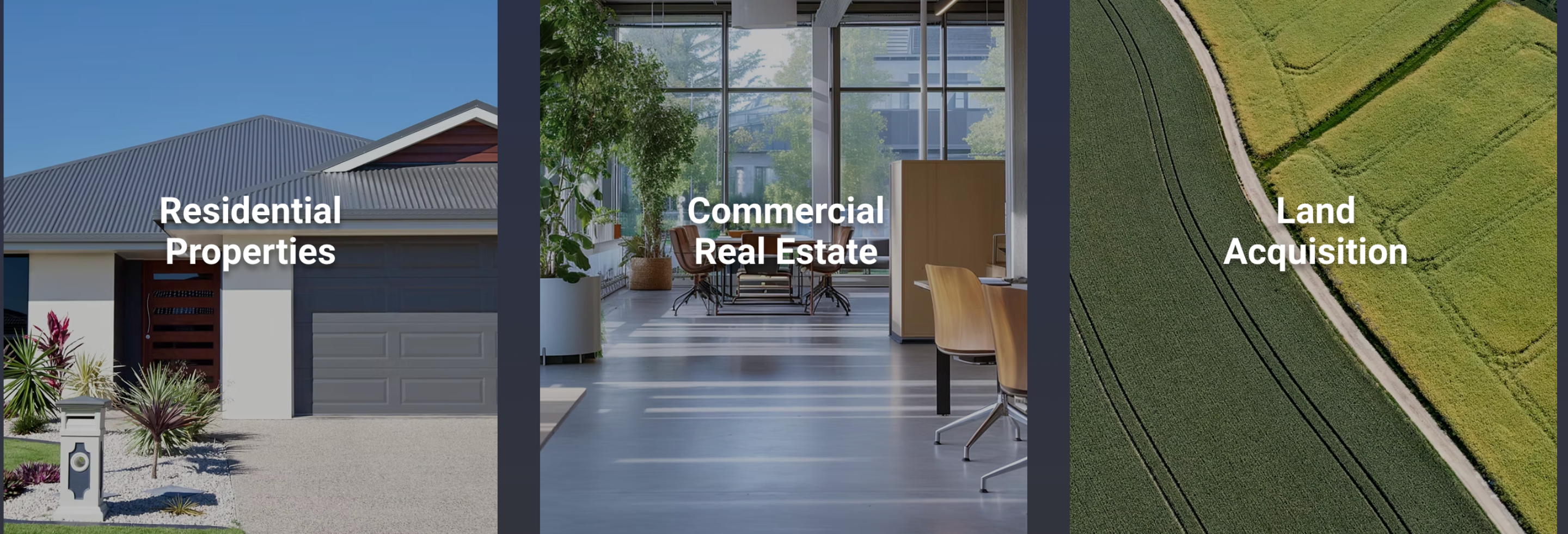
Residential Developers
Project page architecture, locality guides, and launch SEO for under-construction and ready-to-move inventory, all RERA-compliant and conversion-engineered.
Commercial Real Estate
Office space, retail, and warehousing SEO: longer cycles, institutional buyers, and content that speaks to yields, locations, and lease terms.
Brokers and Channel Partners
Personal brand SEO, locality dominance, and listing pages that bring buyers to you instead of the portal.
Plotted Developments and NA Plots
An underserved search segment with real buyer intent. We build the content infrastructure for land buyers that almost nobody else bothers with.
Your First 90 Days
Exactly what happens, week by week. No mystery, no black box.
Audit and Roadmap
Full property SEO audit, portal cost analysis, inventory-priority keyword mapping, and the 90-day roadmap. Booking tracking instrumented.
Foundation Sprints
Technical fixes shipped, priority project pages rebuilt, Google Business Profiles optimized, review systems live.
Content and Authority
Locality guides publishing weekly, NRI content live, digital PR outreach started, map and organic movement tracked.
Scale or Kill
Honest verdict on site-visit trajectory. Winning projects and localities get deeper investment; next quarter planned.
How to Choose the Best Real Estate SEO Agency in India
Five checks before you sign anything, with anyone.
They understand the portal problem
Ask how they plan to outrank 99acres and MagicBricks for your project names. Vague answers mean they have never done it. The right agency has a specific portal-coexistence strategy.
They talk RERA without prompting
If compliance never comes up in the first meeting, they do not know real estate. RERA shapes page structure, content claims, and trust signals, and it should be in the plan from day one.
They report site visits, not sessions
Traffic is meaningless if nobody books a visit. Ask exactly how they will track enquiries to bookings. No clear attribution answer means no accountability.
They think in localities, not cities
Buyers search micro-markets. Ask to see their locality content approach. City-level keyword lists are a sign of generic thinking.
They will discuss your portal math
The honest conversation compares portal cost per closed deal against organic investment. An agency avoiding this comparison is avoiding the only metric that matters.
QUESTIONSReal Estate SEO, Answered Honestly
Project-name rankings can move within 60 to 90 days, especially for new launches with fresh pages. Locality authority builds over two to three quarters. Meaningful site-visit volume typically starts in month three and compounds strongly through month twelve. The 90-day pilot is designed to prove trajectory, not final results.
For new launches with fresh pages, project-name rankings can appear within 60 days because competition for the exact project name is low initially. Competitive locality terms take two to four quarters of sustained content and authority building. The critical insight: starting SEO six months before launch beats starting at launch by an enormous margin, because authority compounds while inventory pressure is still low.For project-name searches, absolutely: your own project page should beat every portal listing with proper depth and structure. For generic locality queries, the strategy is coexistence: rank your locality guides and project pages alongside portals, capturing the buyers who prefer developer-direct information. We do not promise to displace portals everywhere; we promise to own the searches that convert best.
Everything structural. RERA registration details, accurate possession timelines, and compliant terminology belong on every project page. Google rewards transparent pages, buyers trust them more, and your legal team stays comfortable. We build compliance into templates so it never becomes a bottleneck.
Projects are prioritized by unsold inventory value, so SEO effort flows where revenue is stuck. Each project gets its own page architecture, while shared locality content lifts all projects in an area. New launches inherit existing locality authority, which is a major speed advantage.
We sequence by inventory urgency and margin: projects with the most unsold units and highest per-unit margins get SEO priority. Ready-to-move inventory gets urgency-focused content; pre-launch projects get teaser and waitlist content. The roadmap is reviewed quarterly against sales velocity, so SEO always serves the current business priority, not last quarter’s plan.Yes. Broker SEO focuses on personal brand, locality dominance, and listing pages that bring buyers directly to the broker. The economics are compelling: one direct buyer relationship can be worth years of portal subscriptions.
A dedicated content track: investment guides, ROI comparisons, legal process explainers, and repatriation information. NRI searches have high intent and low competition, making them among the highest-ROI SEO targets in Indian real estate.
We report site visits and qualified enquiries attributed to organic search, with cost-per-enquiry compared against your portal spend. Weekly plain-language updates, monthly revenue-linked summaries. You will know exactly what SEO produced, in the language your sales head speaks.
Weekly reports cover keyword movements on project and locality terms, pages published, and enquiry counts by project. Monthly reports add site-visit attribution, cost per qualified enquiry versus portal benchmarks, and revenue pipeline estimates. Your sales head gets numbers in the language of bookings; your marketing head gets the tactical detail. No vanity metrics, ever.It scales with projects, localities, and competition. Single-project builders invest less than multi-city developers. Every engagement starts with a free audit and a fixed-price 90-day pilot quote with a site-visit target attached.
Yes, and pre-launch is actually ideal: fresh pages, no legacy issues, and a 60 to 90 day runway to build rankings before inventory pressure peaks. Launch SEO includes teaser content, locality priming, and waitlist capture mechanics.
Not necessarily forever, but we do not recommend abrupt cuts. The strategy is to build organic while measuring portal ROI honestly, then reduce portal spend as owned enquiries replace it. Most developers cut portal costs substantially within a year.
We recommend a phased approach: maintain portal presence while building organic, measure both honestly on cost per site visit, then reduce portal spend as organic proves out. Most developers cut portal costs by thirty to fifty percent within a year while growing total enquiries. The portals served their purpose; owned rankings are simply better economics long-term.No honest agency can. What we guarantee is process, weekly reporting, and a 90-day pilot with kill criteria. If the trajectory is wrong, we say so and stop. That is more valuable than any guarantee.
Yes. All content, data, and accounts are yours from day one. Rankings on your domain stay with your domain. We earn the next quarter; we do not hold assets hostage.
Want marketing that reports revenue? Start with a growth audit.
Stop Paying Portals for Every Buyer. Own Your Search Presence.
Get a free real estate SEO audit: we will show you where buyers find competitors instead of you, what portals really cost per closed deal, and the 90-day plan to change it.
Real Performance Marketing Results
SCORSH partners with ambitious brands to drive measurable growth through strategic paid media, high-converting creatives, and full-funnel optimization.

Scaling a D2C Sports Jersey Brand with Performance Marketing
Project Overview Brand: Jersey Brand Industry: Sports Apparel / Clothing Market: India Business Model: D2C Ecommerce (Shopify) This brand...
Read More
Generating Motivated Seller Leads for a US Real Estate Firm
Client Overview Client: Confidential Real Estate Firm Industry: Real Estate Investment / Cash Home Buyers Market: United...
Read More

Driving Restaurant Footfall & Reservations Through Google Ads in London
Client Overview Client: Confidential North Indian Restaurant Industry: Restaurant / Hospitality Location: London, United Kingdom Business Type: Dine-in...
Read More