
Pest Control Meta Ads Agency That Fills Routes
Pest control is a route business. Empty slots on a technician’s schedule are money burned: wages, fuel, and truck costs with zero revenue against them. As a pest control Meta Ads agency, we fill those routes with the customers that matter most: quarterly plan subscribers who pay you every 90 days for years, acquired at a cost that pays back in the first visit.
The economics are simple and most agencies miss them. A quarterly plan customer is worth $1,200 to $2,000 over their lifetime. That means you can afford to spend real money acquiring them, if the campaigns are built to find plan buyers instead of one-time spray shoppers. Our entire system is engineered around that distinction: recurring revenue first, one-time jobs as fill-in.
Trust is the whole game in home services advertising, and trust comes from faces, not logos. We put your technicians in the creative: the uniformed tech at the door, the before-and-after of a real treatment, the 20-second explanation of what the customer is actually paying for. Homeowners buy from people they would let into their house, and every ad we run is built around that simple truth, tested across audiences until the cost per signed plan beats your other channels.
Get a Free Growth Audit
Tell us where to send it. We reply within one business day.
No spam, no pushy sales calls.
Our Clients
Real brands we have worked with across industries.







SCORSH vs a Typical Marketing Agency
| SCORSH | Typical Agency | |
|---|---|---|
| Industry focus | ✔ Built for pest control: plans, seasons, routes | ✖ Same playbook as the roofing client |
| Success metric | ✔ Signed quarterly plans and payback period | ✖ Clicks, impressions, and raw leads |
| Creative | ✔ Seasonal pests, technicians, plan math | ✖ Stock photos of bugs |
| Targeting | ✔ Route-densifying neighborhood focus | ✖ Broad radius, scattered customers |
| Seasonality | ✔ Pre-season campaign calendars | ✖ Reactive scrambling when phones slow |
| Accountability | ✔ Tracked to signed plans | ✖ Monthly vanity metrics |
WHAT WE DOMeta Campaigns Built for Recurring Pest Control Revenue
We are a growth team that runs Meta Ads for pest control companies. Our work centers on one number: signed quarterly plans at a target acquisition cost. Everything else is a means to that number. A campaign producing cheap one-time leads that never convert to plans is a failure, no matter how good the cost per lead looks.
The system has four stages. First, the audit: we map your service area, route density, seasonal demand curves, and current customer mix to find where plan subscribers are leaking. Second, creative built for pest control: seasonal pest education, technician trust content, and plan-value explainers that make the quarterly subscription feel like the only sensible choice. Third, targeting that finds homeowners in your densest neighborhoods and lookalikes of your best plan customers. Fourth, structured testing and scaling: a 14-day test window identifies winners, then budget flows only to proven campaigns.
Because we also run Google Ads and SEO for home services, Meta never operates alone. Search captures the homeowner with ants in the kitchen tonight; Meta builds the pipeline of plan subscribers for the whole season. Two channels, one route schedule, zero finger-pointing.
Plan-First Campaigns
Every campaign engineered to acquire quarterly subscribers, not one-time bargain hunters. Recurring revenue is the target.
Seasonal Demand Calendars

Pre-season launches for termites, mosquitoes, rodents. Your schedule fills before competitors react.
Route-Densifying Targeting

Neighborhood-level targeting around your existing routes. More stops per day, less windshield time.
Tracked to Signed Plans

Conversions API, call tracking, CRM integration. Cost per plan, payback period, per campaign, every week.
The Full Breakdown
Everything inside a SCORSH engagement. Click any item for the detail.
01Campaign Structure for Pest Control+
Pest control campaigns fail when they chase generic leads. We structure around revenue reality: quarterly plans first, one-time jobs as fill-in, seasonal surges as accelerators. Separate campaigns for plan acquisition, seasonal pest pushes, and retargeting, each with its own creative, targeting, and landing page.
Budget follows lifetime value. Plan-acquisition campaigns get the majority because a $1,500 customer justifies real acquisition cost. Seasonal campaigns spike budgets around pest calendars: termites in spring, mosquitoes in summer, rodents in fall. Retargeting runs constantly underneath, converting the researchers into subscribers.
02Creative That Sells the Plan+
Homeowners buy pest control the way they buy insurance: to stop worrying. Our creative leads with the outcome, a pest-free home year-round, then makes the plan the mechanism. Seasonal pest education videos, technician-at-work trust content, and simple plan-value math that shows the quarterly subscription beating the one-time spray.
We also build fear-of-missing-season creative. Termite swarm season has a window; mosquito season has a window. Campaigns that tie the pest calendar to the plan create urgency no discount ever could. Nobody wants to discover termites in July because they waited.
03Targeting Homeowners in Your Routes+
Meta's neighborhood-level targeting is perfect for route businesses. We target homeowners in the zip codes and neighborhoods your technicians already serve, densifying routes instead of stretching them. Lookalike audiences built from your current plan subscribers find more households with the same profile.
Demographic layering refines further: homeowners versus renters, household income bands that match plan pricing, home age that correlates with pest pressure. Retargeting follows every site visitor and video viewer with escalating proof until the plan feels inevitable.
04Seasonal Campaign Calendars+
Pest control has a calendar and we run it like one. Pre-season campaigns build the pipeline before demand peaks: termite awareness in late winter, mosquito plan pushes in spring, rodent exclusion in early fall. Launching before the surge means your schedule fills while competitors are still reacting.
Each season gets fresh creative tied to the specific pest: swarm imagery for termites, backyard lifestyle for mosquitoes, attic and crawlspace content for rodents. Seasonal relevance multiplies click-through rates, which lowers costs across the entire account.
05Landing Pages That Sell Subscriptions+
Meta traffic dies on generic homepages. Plan-acquisition campaigns land on plan pages: what the quarterly service includes, the annual value math, and a simple signup flow. Seasonal campaigns land on pest-specific pages with the plan as the resolution. One page, one offer, one action.
Mobile dominates: most homeowners click in the evening from their phones. Pages load fast, forms stay minimal, click-to-call is always one tap away. We test plan framing continuously, because the difference between selling a spray and selling a subscription is often one headline.
06Retargeting That Converts Researchers+
Most homeowners research before committing to a service coming inside their home. Retargeting keeps you present through that decision: video viewers get technician trust content, site visitors get plan-value reminders, quote abandoners get direct follow-up. Trust compounds with every touch.
We segment by intent and season. Someone who watched a termite video in March is hotter than a homepage visitor in November, and the creative reflects it. Retargeting consistently produces the lowest cost per signed plan in the account.
07Tracking Every Dollar to Signed Plans+
If you cannot trace a signed quarterly plan back to the ad that produced it, you are guessing. We implement full tracking: Meta's Conversions API, call tracking numbers, and CRM integration that follows each lead from click to signed plan. You see cost per lead, cost per plan, and payback period per campaign.
Weekly reporting shows the numbers that matter: spend, leads, plans signed, and revenue attributed. If a campaign's cost per plan exceeds what lifetime value justifies, you see it immediately, and so will we, which is why we fix it or pause it.
08Scaling Winners, Killing Losers+
After the 14-day test window, data decides. Campaigns beating your target cost per signed plan get budget increases in controlled steps. Campaigns missing the target get diagnosed once, fixed once, then killed. Ad spend is too precious for sentimentality.
Scaling means expanding proven winners: new seasonal variations of winning creative, broader lookalikes of winning audiences, winning plan offers tested in new neighborhoods. Disciplined, boring, profitable growth.
THE PROBLEMRoutes Half Empty While Competitors Grow
Pest control demand is seasonal, local, and brutally competitive. Spring brings the surge, summer sustains it, and by late fall the phones slow while your technicians still need full schedules. Companies without owned demand spend the slow months discounting one-time sprays just to keep trucks moving, which trains the market to wait for deals.
The deeper problem is customer mix. One-time jobs pay once. Quarterly plans pay for years. Yet most pest control marketing treats every lead the same, which means ad spend chases whoever clicks cheapest, and whoever clicks cheapest is usually the price-shopping one-time buyer. Your competitor with the bigger recurring base can outspend you on every channel, because their customer lifetime value funds it.
Door-to-door built this industry, and it is dying. Homeowners do not answer doors, neighborhoods restrict soliciting, and the cost per acquired customer keeps climbing. The companies growing now acquire digitally: they show up in the feed with the right pest at the right season, make the plan the obvious choice, and fill routes without knocking on a single door.
As a pest control Meta Ads agency, we build that digital acquisition engine. Seasonal campaigns that anticipate demand instead of reacting to it. Creative that sells the plan, not the spray. Targeting that finds homeowners in the neighborhoods your technicians already serve, so every new customer densifies routes instead of stretching them. Recurring revenue, acquired on purpose.
Slow Seasons, Idle Technicians
Fall and winter empty the schedule while payroll continues. We run off-season campaigns for interior pests, rodent exclusion, and plan renewals that keep routes full year-round.
One-Time Jobs Instead of Plans
Ad spend keeps producing $99 one-time sprays instead of $1,500 lifetime customers. Our campaigns are built to sell the quarterly plan first, with creative and offers engineered for subscribers.
Thin Routes, High Drive Time
New customers scattered across the map eat margins in windshield time. Neighborhood-level targeting densifies your existing routes, so technicians serve more stops per day.
OUR PROCESSFrom Audit to Filled Routes in Four Steps
1. Route and Revenue Audit
We map your service area, route density, seasonal curves, and customer mix. You see exactly where plan subscribers leak and what each one is worth before we spend a dollar.
2. System Build

Creative production, campaign structure, landing pages, tracking, seasonal calendar. Everything ready before launch, nothing improvised mid-season.
3. Test and Prove

14-day structured test window. Winners and losers identified by cost per signed plan, not by clicks. Losers die fast.
4. Scale and Sustain

Winning campaigns scale in controlled steps. Seasonal launches execute on calendar. Routes densify, recurring revenue compounds.
HOW WORKING WITH US LOOKSThe Growth Partnership, Step by Step
Most agencies start by asking your budget. We start by asking what a quarterly plan is worth over its lifetime, which routes need density, and where your schedule has gaps. That shapes everything, and it runs in four steps.
Step 1: The audit (week 1)
We spend a week inside your business: current lead sources and true cost per plan, competitor analysis, seasonal demand mapping, route density review. The audit answers one question: where are plan subscribers leaking, and what will it cost to fix?
Step 2: The 90-day pilot
We agree on one number: signed quarterly plans at a target acquisition cost. Then a focused 90-day pilot covering a full seasonal arc. Kill criteria upfront: if the plan-signing trend is not moving by day 90, we stop.
Step 3: Reporting you will actually read
Weekly: spend, leads, plans signed, cost per plan, revenue attributed. Monthly: creative winners, seasonal performance, route density gains, and next month's calendar. If a campaign flops, you see it with our diagnosis.
Step 4: Own your market's recurring revenue
Winning campaigns compounding, retargeting audiences growing, seasonal launches executing on schedule. Your recurring base grows every quarter, which funds outspending every competitor. That is a durable moat.
What we need from you
Three things. Technician cooperation for creative, because real trucks and real techs beat stock. Fast lead follow-up, because pest leads go cold in hours. And honest numbers on plan values and close rates, so we optimize against reality. Everything else is on us.
Who This Is For
If you recognize yourself here, we will probably work well together.
Companies With Thin Slow Seasons
Fall and winter empty routes while payroll continues. Seasonal campaigns for interior pests and renewals keep technicians billing year-round.
Businesses Stuck on One-Time Jobs
Ad spend produces $99 sprays instead of $1,500 lifetime customers. Plan-first campaigns flip the customer mix toward recurring revenue.
Operators With Scattered Routes
New customers across the map burn margins in drive time. Neighborhood targeting densifies existing routes for more stops per day.
Companies Dependent on Door-to-Door
Knocking is dying and everyone knows it. Digital acquisition replaces the knock with campaigns that scale without adding salespeople.
Growing Companies Adding Technicians
New techs need full routes fast. Owned demand lets you hire against a pipeline instead of hoping the season delivers.
Owners Burned by Generic Agencies
Your last agency chased cheap leads that never became plans. You want pest control economics: cost per signed plan, tracked to revenue.
Why Pest Control Companies Choose SCORSH
Built for how pest control revenue actually works.
Residential Quarterly Plans
The core recurring engine. Campaigns engineered to acquire subscribers at a payback measured in months, not years.
One-Time and Seasonal Jobs
Termite treatments, mosquito seasons, wildlife removal: fill-in revenue captured without distracting from plan growth.
Commercial Accounts
Restaurants, property managers, HOAs. Account-targeted campaigns for contract-value commercial work.
Wildlife and Specialty
Exclusion, trapping, and specialty services with higher tickets. Dedicated campaigns for premium service lines.
Your First 90 Days
Exactly what happens, week by week. No mystery, no black box.
Audit and Numbers
Route mapping, seasonal analysis, competitor review, and the plan economics we will optimize against.
Build Everything
Creative, campaigns, landing pages, tracking, seasonal calendar. Nothing launches half-built.
Test Window
14-day structured test. Winners identified by cost per signed plan.
Prove and Scale
Winners scale. Honest verdict at day 90: the plan-signing trend decides everything.
How Our Pricing Works
No shelf packages. No hidden percentages. Just honest math.
The 90-Day Pilot
Every engagement starts with a fixed-scope, fixed-price 90-day pilot: the route and revenue audit, full campaign build, creative production, landing pages, tracking, and seasonal calendar. You know the cost and the plan-signing target before we begin.
What Sets the Price
Three things: number of service areas, seasonal creative needs, and whether Google Ads runs alongside Meta. We quote after the free audit, not before.
No Surprises, Ever
No percentage-of-spend traps, no creative held hostage, no surprise invoices. Every cost in writing upfront, and you own the ad account, audiences, and all creative permanently.
How to Choose the Best Pest Control Meta Ads Agency
Five checks before you sign anything, with anyone.
They talk signed plans, not leads
Ask: what will a quarterly plan cost me to acquire? If the answer is cost per lead, you are hiring a traffic vendor. The right agency optimizes to plans and payback period.
They run a seasonal calendar
Ask to see their pest-season campaign plan. If they react to slow months instead of anticipating them, your routes will feel it.
They understand route economics
Scattered customers kill margins. Ask how their targeting densifies routes instead of just generating leads anywhere.
They sell subscriptions in creative
Ask to see plan-focused ad creative. If every ad sells a one-time spray, the customer mix will never improve.
They track to revenue
Ask how they connect spend to signed plans and lifetime value. If reporting stops at leads, you will never know what worked.
QUESTIONSPest Control Meta Ads Agency FAQs
It builds and runs Facebook and Instagram advertising that signs quarterly plan customers: campaign strategy, seasonal creative, neighborhood targeting, landing pages, and tracking that connects spend to signed plans. At SCORSH, the metric is cost per plan and payback period.
Google captures the homeowner with ants tonight. Meta builds the pipeline of plan subscribers before the season: termite awareness in winter, mosquito plans in spring. Most growing pest control companies run both, with Meta filling the recurring base and Google catching urgent demand.
Typically $1,500 to $4,000 per month in ad spend per market, plus management. The math that matters: a quarterly plan customer is worth $1,200 to $2,000 lifetime, so even a $150 acquisition cost pays back fast. One extra plan a week transforms the year’s revenue.
Leads within days of launch. Stable cost per signed plan in 30 to 60 days. Seasonal campaigns perform best launched pre-season, which is why the calendar matters more than speed alone.
Yes, and that is the entire design. Creative sells the plan as the sensible choice, landing pages frame the annual value, and offers reward subscribing over one-time buying. The customer mix is a campaign design decision, not luck.
With a pre-built seasonal calendar: campaigns launch before each pest season, not during it. Termite, mosquito, and rodent pushes are timed to anticipation, and off-season campaigns target interior pests and renewals. Your schedule stays full in every quarter.
Yes. Every lead comes to you alone. No shared leads, no marketplaces. Exclusivity lets you compete on trust instead of racing competitors to the phone.
Meta Conversions API, call tracking, and CRM integration follow each lead from click to signed plan. Weekly reports show spend, leads, plans signed, and revenue attributed per campaign.
Seasonal pest education, technician trust content, and plan-value math. Real technicians and real trucks outperform stock. Content that ties the pest calendar to urgency, termite season is coming, converts researchers into subscribers.
Yes. Neighborhood-level targeting focuses spend around your current routes and densest zip codes, so new customers add stops per day instead of drive time. Route density is a targeting parameter, not an accident.
You do, entirely and permanently. Accounts, audiences, and creative are documented and transferable.
Technician cooperation for real creative, fast lead follow-up, and honest numbers on plan values and close rates. Everything else is on us.
Want marketing that reports revenue? Start with a growth audit.
Your Competitors Are Signing the Plans You Should Get
Get a free pest control ad audit: your market’s demand, seasonal opportunity, and what a signed plan should cost you.
Meta Ads That Fill Pest Control Routes
SCORSH partners with pest control companies to turn Meta into a recurring-revenue engine: plan-first campaigns, seasonal calendars, and every dollar tracked to signed plans.

Scaling a D2C Sports Jersey Brand with Performance Marketing
Project Overview Brand: Jersey Brand Industry: Sports Apparel / Clothing Market: India Business Model: D2C Ecommerce (Shopify) This brand...
Read More
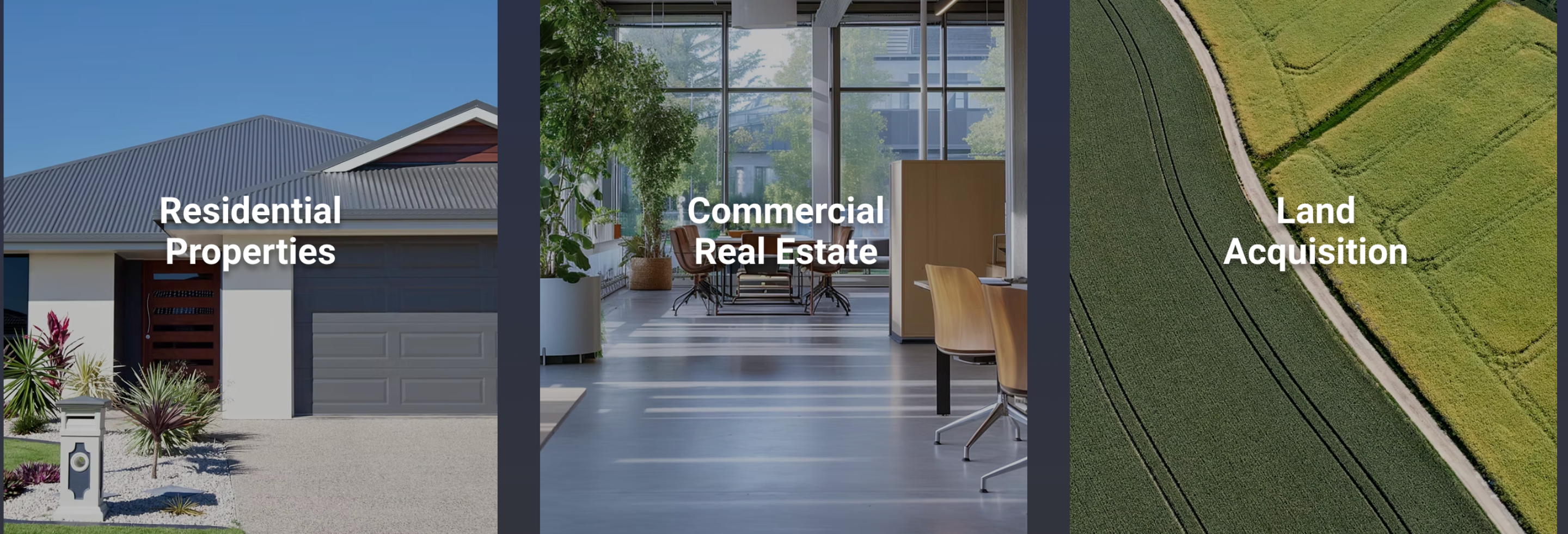
Generating Motivated Seller Leads for a US Real Estate Firm
Client Overview Client: Confidential Real Estate Firm Industry: Real Estate Investment / Cash Home Buyers Market: United...
Read More

Driving Restaurant Footfall & Reservations Through Google Ads in London
Client Overview Client: Confidential North Indian Restaurant Industry: Restaurant / Hospitality Location: London, United Kingdom Business Type: Dine-in...
Read More