
Restaurant PPC Agency That Fills Tables and Delivery Queues
An empty table at 7 PM is revenue gone forever. A delivery order costs you 30 percent to the apps. As a restaurant PPC agency, we drive direct reservations and direct orders: geo-targeted search campaigns, delivery-order funnels that bypass app commissions, and event and catering pipelines for your highest-margin revenue.
We run Google Ads for restaurants done paying the apps to reach their own customers. Reservation-first landing pages, direct-ordering funnels, off-peak promotions, and catering lead capture, all measured in covers and direct revenue. Your Growth Team, Not Just Another Agency means we own the outcome with you: fuller tables, more direct orders, lower commission bleed.
Most restaurant ads run the same message all year and miss the moments that matter. Festive dinners, year-end parties, wedding season catering, these are your highest-margin weeks and they need campaigns built weeks in advance. We plan your paid calendar around your business calendar, so when demand peaks, your restaurant is the first name people see.
Get a Free Growth Audit
Tell us where to send it. We reply within one business day.
No spam, no pushy sales calls.
Our Clients
Real brands we have worked with across industries.




SCORSH vs a Typical PPC Agency
| SCORSH | Typical Agency | |
|---|---|---|
| Success metric | ✔ Covers, direct orders, and revenue per ad dollar | ✖ Clicks and impressions, reported monthly |
| Delivery apps | ✔ Direct-ordering funnels that cut commissions | ✖ Campaigns that ignore the 30 percent bleed |
| Dayparts | ✔ Bid rules and creative by hour and day | ✖ Flat campaigns spending evenly on dead hours |
| Catering | ✔ Separate funnel with event-value scoring | ✖ Mixed into generic campaigns or ignored |
| Map pack | ✔ GBP optimization as part of the engagement | ✖ Paid-only thinking, free traffic neglected |
| Commitment | ✔ 90-day pilot with kill criteria in writing | ✖ 12-month retainer, vague deliverables |
WHAT WE DOPPC Built for Covers and Direct Orders
We are a growth team that runs Google Ads around restaurant economics: covers filled, direct orders captured, commissions avoided. Our restaurant PPC work starts with a forensic audit of your current presence: Google Business Profile, reservation flow, ordering setup, and review standing. Dine-in, delivery, and catering are three different revenue lines, and we build them as three different campaign structures.
Our method is direct-first. Search campaigns capture diners searching best Italian near me, restaurants open late, and order sushi delivery, then route them to your reservation or ordering system, not the apps. Landing pages are menu-forward and thumb-friendly: hours, location, reservation button, and ordering button above the fold. Catering gets its own funnel with event-value qualification, because one corporate lunch contract dwarfs a hundred Tuesday dinners.
What makes us different as a restaurant PPC agency is the commission math. We track direct-order revenue against what the apps would have taken, and report your savings alongside your spend. Weekly plain-language reports show covers, direct orders, catering inquiries, and revenue per ad dollar. Every engagement starts with a 90-day pilot with kill criteria in writing, because an agency should earn the next quarter, not invoice it.
Search Campaigns
Dine-in, delivery, and catering keywords segmented by revenue line and daypart.
Direct Ordering
Funnels that convert app users to direct customers, saving up to 30 percent per order.
Daypart Bidding
Spend follows your slowest hours: bid rules and creative matched to the moment.
Revenue Attribution

Reservations, orders, and catering inquiries tied to campaigns and reported weekly.
The Full Breakdown
Everything inside a SCORSH engagement. Click any item for the detail.
01Reservation Campaigns+
Empty tables are perishable inventory: unsold tonight, gone forever. We build reservation campaigns around high-intent dining searches: best restaurants near me, romantic dinner spots, and cuisine-specific terms geo-fenced to your trade area. Landing pages put the reservation widget front and center with party-size and time selection in two taps. We integrate with your reservation platform to attribute bookings to campaigns, so you see exactly what it cost to fill Friday night versus Tuesday lunch, and we shift spend accordingly.
02Direct Ordering Funnels+
Every order through the apps costs you up to 30 percent and hands your customer data to a competitor marketplace. We build the direct alternative: search campaigns capturing order food delivery and cuisine plus delivery intent, landing pages featuring your own ordering system with first-order incentives, and remarketing that converts app users to direct customers. We track direct-order revenue by campaign and report commission savings as a line item, because avoiding the app tax is profit you can measure.
03Off-Peak and Daypart Campaigns+
Your slowest hours are your cheapest growth. We structure campaigns by daypart: lunch specials promoted to nearby offices on weekdays, early-bird dinners for the price-sensitive, late-night campaigns for the after-hours crowd. Bid rules push spend into dead hours and pull back when you are already full. Creative matches the moment: a Tuesday lunch ad should not look like a Saturday date-night ad. Filling dead hours at low CPCs is the highest-margin PPC in restaurants.
04Catering and Private Events+
One corporate catering contract can exceed a month of Tuesday dinners, but catering buyers search and decide completely differently. We build catering funnels separately: corporate catering near me and event venue keywords with inquiry forms that qualify event size, date, and budget upfront. Landing pages showcase event photos, testimonials from corporate clients, and clear next steps. Catering leads are scored by potential event value so your events team prioritizes the $5,000 holiday party over the $200 lunch order.
05Local Services and Map Dominance+
Most restaurant discovery starts with near me searches where the map pack dominates. We optimize your Google Business Profile relentlessly: categories, attributes, menu links, photo cadence, and review velocity, because the map pack is free traffic your PPC should complement, not replace. Paid campaigns then capture what the map pack misses: delivery intent, catering queries, and off-peak demand. Together they own the local dining search from every angle.
06Review Generation Systems+
Diners trust stars more than ads: a 4.6 beats a 4.2 before the click even happens. We build review flows into your operation: post-visit SMS requests timed after the meal, QR codes on receipts linking directly to your Google profile, and response protocols for negative reviews that show future diners you care. Higher ratings lift click-through rates on every ad, improve map pack placement, and compound across every campaign you run.
07Competitor Conquesting+
Diners compare options, and your competitors' names are fair game in paid search. We run disciplined conquesting on rival restaurant names with comparison-led landing pages: your menu highlights, your reviews, your direct-ordering advantage. Brand defense keeps your own name cheap and dominant. Everything is measured on covers and orders, not clicks, so conquesting earns its budget or loses it.
08Seasonal and Event Promotions+
Valentine's Day, Mother's Day, graduation season, holidays: restaurants live on calendar moments, and PPC should too. We build promotional campaign templates ready to launch: prix fixe menus, holiday catering pushes, patio season campaigns, each with matched creative and landing pages. Planned in quarterly sessions, launched on schedule, measured on covers. Calendar revenue stops being luck and starts being a system.
THE PROBLEMThe Apps Tax Every Order
Restaurants face a brutal equation: third-party delivery apps take up to 30 percent of every order, then use your own customer data to market competitors to your regulars. Paid search should be the escape route, direct orders at a fraction of the commission, but most restaurant PPC is an afterthought: a generic campaign, a homepage link, and a report full of clicks that nobody connects to covers.
The timing problem is just as costly. Restaurants have brutal daypart economics: Tuesday lunch is dead while Friday dinner turns people away. Flat campaigns spend evenly across both, which means overpaying for demand you already have and underinvesting in the hours that need filling. Without daypart bid rules and off-peak creative, PPC just amplifies the imbalance.
Then there is the measurement gap. Most restaurants cannot connect an ad click to a reservation or a direct order, so marketing decisions run on vibes. The owner sees the Google Ads bill, sees a busy Friday, and guesses. Meanwhile the apps keep taking their 30 percent because nobody built the direct-ordering funnel that would starve them. That funnel is exactly what restaurant PPC should build.
The commission math should end the debate. A restaurant doing $40,000 a month in delivery app orders hands roughly $12,000 to the apps. A direct-ordering funnel costing $2,500 a month in ad spend that shifts even half those orders direct saves $6,000 monthly while building a customer list the restaurant owns. Add daypart campaigns filling Tuesday lunch at $0.80 clicks versus Friday dinner at $3.50, and the same marketing budget that once bought generic visibility now buys measurable covers, direct revenue, and freedom from the 30 percent tax. The apps are not the enemy; dependence on them is.
Paying 30 Percent to Reach Your Own Customers
Every delivery app order hands nearly a third of revenue to a middleman who then markets your competitors to your regulars. We build direct-ordering funnels that break the cycle: Google Ads capturing near me and delivery intent, landing pages with your own ordering system front and center, first-order incentives that convert app users to direct customers. Every direct order saves you up to 30 percent, which means the campaign pays for itself in commission savings alone.
Dead Hours Nobody Fills
Tuesday lunch and Sunday evenings sit empty while Friday dinner has a waitlist. Flat campaigns cannot fix this. We build daypart structures: bid rules that push spend into your slowest hours, off-peak promotions (weekday lunch specials, early-bird dinners) with dedicated creative, and happy-hour campaigns geo-fenced to nearby offices. Filling dead hours at lower CPCs is the highest-ROI move in restaurant PPC, and almost nobody does it.
Clicks Nobody Connects to Covers
The owner sees ad spend and a busy weekend and guesses they are related. We remove the guesswork: reservation platform integration tying bookings to campaigns, call tracking for phone reservations, direct-order revenue attributed by keyword, and catering inquiries scored by event value. Weekly reports show revenue per ad dollar by campaign, so you know exactly what dinner rush cost to fill and what Tuesday lunch returned.
OUR PROCESSFrom Clicks to Full Tables
1. Forensic Audit
We tear down your presence: GBP, reservation flow, ordering, reviews. Leaks ranked by revenue.
2. Rebuild by Revenue Line
Dine-in, delivery, and catering become separate campaigns with separate targets.
3. Direct Funnels Live
Reservation and ordering funnels launch, attribution wired to covers and orders.
4. Daypart Scale
Spend follows slow hours. Winners scale, losers get cut, weekly.
HOW WORKING WITH US LOOKSThe Growth Partnership, Step by Step
Most agencies run a generic campaign and report clicks. We build revenue lines for dine-in, delivery, and catering, then scale what fills tables. Four steps, twelve weeks, and marketing measured in covers.
Step 1: The forensic audit (weeks 1 to 2)
We audit your Google Business Profile, reservation and ordering flows, review standing, and any existing ads. The audit answers one question: where is dining revenue leaking? App commission bleed, dead hours, broken booking flows, invisible catering. Every finding ranked by revenue impact.
Step 2: The rebuild (weeks 2 to 4)
We agree on targets per revenue line: cost per cover, direct-order economics, catering inquiry values. Then we rebuild: segmented campaigns, reservation-first landing pages, direct-ordering funnels, GBP optimization. No new spend on broken foundations.
Step 3: Prove the covers (weeks 4 to 8)
Reservations attribute to campaigns, direct orders grow, daypart rules fill slow hours. Weekly reports show revenue per ad dollar by campaign. What fills tables gets budget; what merely generates clicks gets fixed or killed.
Step 4: Calendar scale (weeks 8 to 12)
Seasonal and event templates go live on schedule. By day 90 you have an honest verdict on PPC as your growth engine, measured in covers and direct revenue.
What we need from you
Three things. Access: Google Ads, Google Business Profile, reservation and ordering systems. Numbers truth: average check, targets per revenue line. Operations honesty: hours, dead hours, catering capacity. Honest inputs, honest growth.
Who This Is For
If you recognize yourself here, we will probably work well together.
Apps Take 30 Percent
Delivery commissions bleed margin monthly. Direct-ordering funnels fix this.
Dead Hours Stay Dead
Tuesday lunch sits empty while ads spend evenly. Daypart rules fix this.
Catering Is Invisible
High-margin events never get their own funnel. Separate pipelines fix this.
Nobody Tracks Covers
Spend is known, covers are guessed. Attribution fixes this.
Reviews Lag Competitors
Lower stars lose the click before the ad matters. Review systems fix this.
Done With Click Reporting
Click volume with no cover context. We report revenue, plainly.
Why Restaurants Choose SCORSH
PPC tuned for covers, direct orders, and catering revenue.
Casual Dining
Neighborhood traffic and repeat visits: reservation campaigns and review velocity that compound.
Fine Dining
High-check occasions need occasion-led campaigns: anniversaries, proposals, holidays, private dining.
Quick Service and Cafes
Lunch rush and delivery volume: speed-focused funnels and daypart precision.
Catering and Events
Corporate contracts and celebrations: inquiry funnels scored by event value.
Your First 90 Days
Exactly what happens, week by week. No mystery, no black box.
Forensic Audit
Presence and flows torn down. Every leak ranked by revenue impact.
Rebuild
Segmented campaigns, direct funnels, GBP optimized.
Prove Covers
Weekly reports on covers, orders, and revenue per ad dollar.
Calendar Scale
Event templates live. Honest verdict on PPC.
How Our Pricing Works
No shelf packages. No hidden percentages. Just honest math.
The 90-Day Covers Pilot
Every engagement starts with a fixed-scope 90-day pilot: the forensic audit, the campaign rebuild, direct-ordering funnels, and a full quarter of managed optimization. Targets and kill criteria in writing before we spend a dollar.
What Sets the Price
Three things: number of locations, revenue lines (dine-in, delivery, catering), and funnel build scope. We quote after the free audit, when we know the real work involved.
No Surprises, Ever
No percentage-of-spend games that reward us for spending more, no hidden tool fees, no scope creep. Every deliverable agreed upfront, and you own all accounts and data.
How to Choose the Best Restaurant PPC Agency
Five checks before you sign anything, with anyone.
They track covers and orders
Ask what a booking looks like in their reports. Click-count answers mean no attribution.
They fight the app tax
Ask how they grow direct orders. Blank stares mean commissions keep bleeding.
They bid by daypart
Ask what changes between Tuesday lunch and Friday dinner. Flat answers reveal flat thinking.
They build catering separately
Ask if catering shares campaigns with dine-in. Shared means invisible high-margin revenue.
They say no sometimes
Not every restaurant should scale on PPC. An honest agency will tell you when the channel is wrong.
QUESTIONSRestaurant PPC Agency FAQs
A restaurant PPC agency manages your Google Ads to fill tables and grow direct orders at a measurable revenue per ad dollar. That includes reservation campaigns, direct-ordering funnels that bypass app commissions, daypart bid rules for slow hours, catering lead capture, Google Business Profile optimization, and reporting tied to covers and orders, not clicks. The goal is simple: fuller tables and more direct revenue, every week. The weekly report makes the return impossible to argue with.
By building the direct alternative and marketing it. We capture delivery-intent searches with your own ordering system, convert app users with first-order incentives, and remarket to past customers with direct-order offers. Every order shifted from the apps to direct saves up to 30 percent, and we report those savings as a line item. The funnel pays for itself in avoided commissions. The weekly report makes the return impossible to argue with.
Single locations typically run $1,500 to $5,000 per month in ad spend; multi-location groups scale from there. The math that matters is revenue per ad dollar: if $1,000 in spend produces $6,000 in attributable covers and direct orders, the budget should grow. We set targets per revenue line in week one and manage to them. The weekly report makes the return impossible to argue with.
Yes, and it is the highest-ROI move in restaurant PPC. We build daypart structures with bid rules pushing spend into your dead hours, off-peak creative (lunch specials, early-bird offers), and geo-fencing around nearby offices and foot traffic. Filling Tuesday lunch at low CPCs beats fighting for Friday dinner at premium CPCs, and we prove it in the weekly reports. The weekly report makes the return impossible to argue with.
Yes, as a separate revenue line with its own funnel. Catering buyers search corporate catering near me and event venues with completely different intent than diners. We build inquiry forms that qualify event size and budget, landing pages with event photography and corporate testimonials, and lead scoring by potential event value. One signed holiday party can exceed a month of slow Tuesdays. The weekly report makes the return impossible to argue with.
Through reservation platform integration and call tracking. Online bookings are attributed to source campaigns, phone reservations are tracked and scored, and direct orders flow through your ordering system with source tags. Weekly reports show covers, orders, and revenue per ad dollar by campaign, so the link between spend and tables is explicit, not guessed. The weekly report makes the return impossible to argue with.
Both, with different jobs. Google captures intent: diners actively searching for a meal now. Meta builds demand: beautiful food creative that puts you on the consideration list before the craving hits. We typically start with Google for immediate covers, then layer Meta for discovery and event promotion. Budgets follow whichever produces cheaper covers. The weekly report makes the return impossible to argue with.
Critical. Diners compare star ratings before they compare menus, and a 4.6 beats a 4.2 before the click. We build review generation into your operation: post-visit SMS, receipt QR codes, and response protocols. Higher ratings lift ad click-through rates, improve map pack placement, and compound across every campaign. Reviews are the cheapest conversion rate optimization in restaurants. The weekly report makes the return impossible to argue with.
Absolutely. Private dining and event inquiries are high-value and search-driven: private dining room near me, rehearsal dinner venues. We build event funnels with date-availability qualification and per-person spend indicators, so your events team prioritizes real opportunities. Event revenue is lumpy but lucrative, and it deserves its own measurement. The weekly report makes the return impossible to argue with.
We build location-level structures: shared brand campaigns plus per-location geo-fenced campaigns with local landing pages. Each location gets its own budget based on its capacity and slow hours, and reporting rolls up to the group while staying actionable per site. New locations launch with proven templates instead of starting from zero. The weekly report makes the return impossible to argue with.
Reservation and delivery campaigns produce within the first two weeks, since dining intent converts fast. Catering pipelines take 60 to 90 days to mature. Month one proves the covers math, months two and three optimize dayparts and scale direct ordering. Restaurant PPC is one of the fastest-payback channels when the funnels are built right. The weekly report makes the return impossible to argue with.
Three things. Access: Google Ads, Google Business Profile, reservation and ordering systems. Numbers truth: average check, table turns, and targets per revenue line. Operations honesty: true hours, dead hours, and catering capacity, so we market what you can actually serve. Honest inputs, honest growth. The weekly report makes the return impossible to argue with.
Want marketing that reports revenue? Start with a growth audit.
See What Your Marketing Is Really Filling
Get a free audit: commission bleed, dead hours, and the three structural fixes that would fill more tables fastest.
PPC That Fills Tables While Competitors Feed the Apps
SCORSH helps restaurants turn paid search into covers and direct orders: reservation funnels, commission-free ordering, and daypart precision.
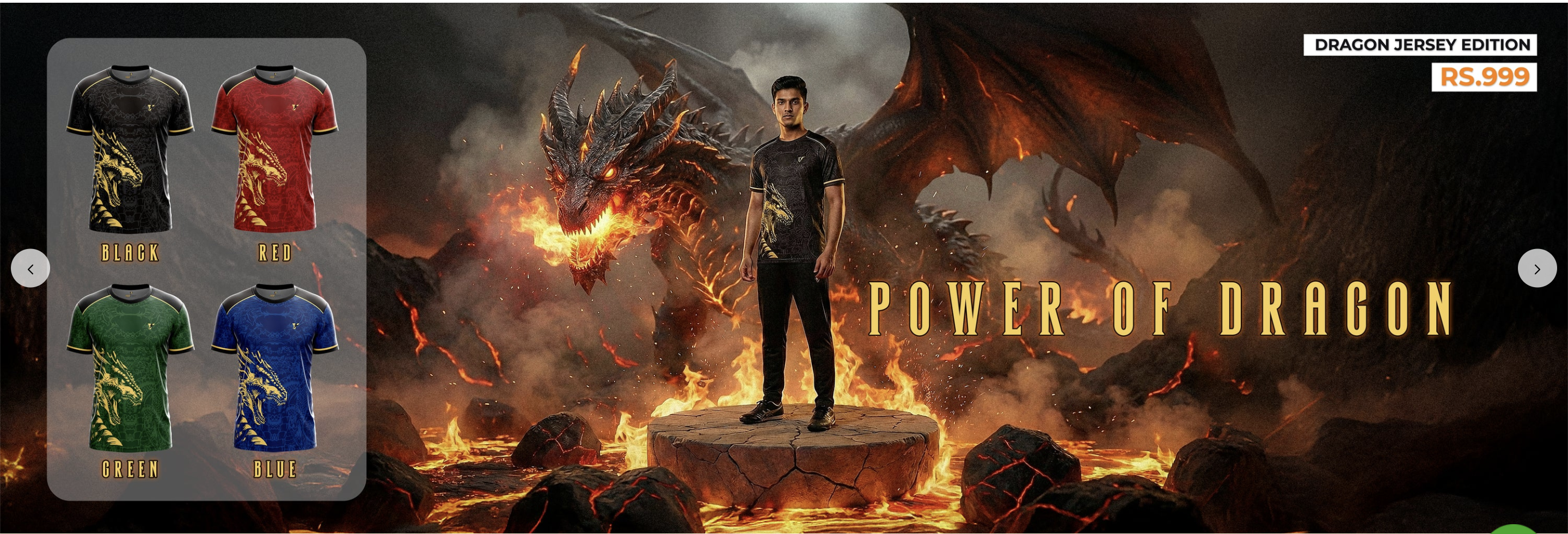
Scaling a D2C Sports Jersey Brand with Performance Marketing
Project Overview Brand: Jersey Brand Industry: Sports Apparel / Clothing Market: India Business Model: D2C Ecommerce (Shopify) This brand...
Read More
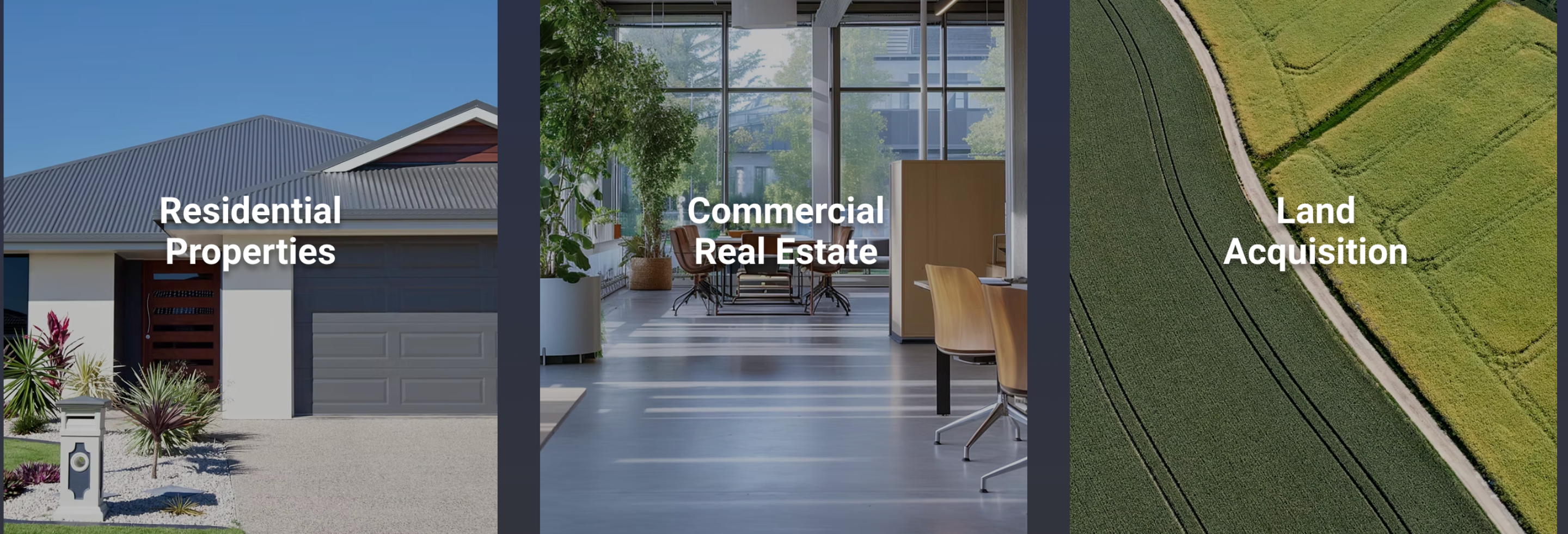
Generating Motivated Seller Leads for a US Real Estate Firm
Client Overview Client: Confidential Real Estate Firm Industry: Real Estate Investment / Cash Home Buyers Market: United...
Read More
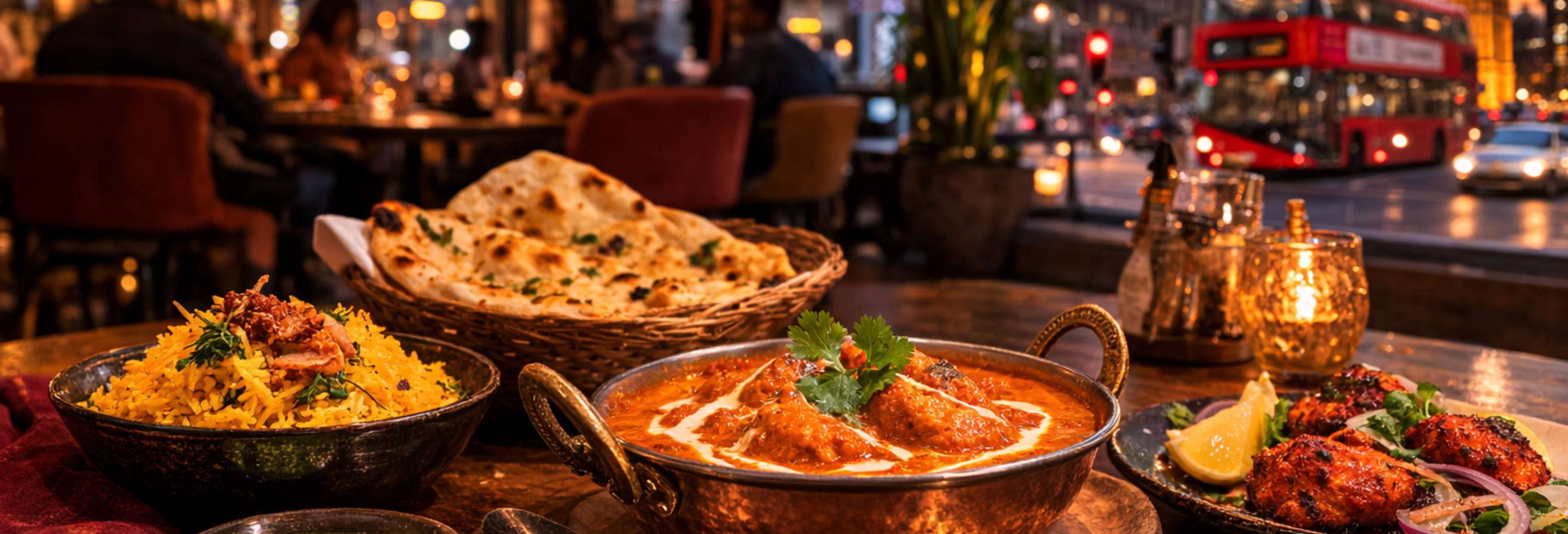
Driving Restaurant Footfall & Reservations Through Google Ads in London
Client Overview Client: Confidential North Indian Restaurant Industry: Restaurant / Hospitality Location: London, United Kingdom Business Type: Dine-in...
Read More